VOC Recovery vs Thermal Oxidation: Recovery or Destruction?

    Skip to content
    Industrial refinery

    Compare VOC recovery with thermal oxidation and other destruction technologies. See differences in solvent reuse, energy, emissions and operating economics.

    95–99.9%Recovery efficiency
    45 YrsProcess Engr. Exp
    50+Industrial sites studied
    500×Pilot to commercial

    01 · Why VOC Emissions Matter

    An economic loss before it's a compliance one

    Industrial VOC emissions contribute to air pollution, resource loss, and increasing environmental pressure. Modern regulations — enforced strictly across Europe, the US, and Japan — encourage recovery, sustainability, and efficient resource utilisation rather than simple destruction.

    Recovering solvents improves both environmental performance and operating economics at once: every kilogram of solvent captured is a kilogram that doesn't need to be purchased, burned, or accounted for as a compliance cost.

    The scale of the problem

    Some sources emit a single solvent at modest concentration; others — gravure printing lines, paint shops, flexible-packaging plants — emit mixtures of up to six solvents at once, at flows from a few hundred to 200,000 Nm³/hr.

    200,000

    Nm³/hr max flow

    6

    Solvents simultaneously

    <100

    Nm³/hr minimum

    Two approaches to the problem

    1.

    Process modification

    Changing or modifying the process chemistry and processing steps to reduce VOC generation at source.

    2.

    End-of-pipeline treatment

    Treating the exhaust stream after it leaves the process to meet emission standards without changing the upstream chemistry.

    End-of-pipeline: two types

    Destruction — converts pollutants to CO₂ / water to meet compliance. Nothing is recovered.

    Recovery & recycle

    Returns pollutants to the process or recovers them for use elsewhere — turning a liability into an asset.

    Three broad technology categories

    1 · Oxidation systems

    Thermal or catalytic. Must operate below LEL, always require supplemental fuel (NG or LPG), and need thermal recovery — recuperative (40–70%) or regenerative (up to 95%). Achieves 95%+ destruction, but increases CO₂ / GHG output and eliminates any chance of solvent recovery.

    2 · Reactive absorption

    Converts pollutants into a saleable or disposable compound via liquid-phase reaction. Examples: formaldehyde → urea pre-condensates; H₂S / SO₂ → caustic soda; NOx → ammonia. Can reach non-detectable emission levels, but is chemistry-specific rather than general-purpose.

    3 · Physical systems

    Our approach

    Capture VOCs without destroying or chemically altering them. A high-boiling absorbent dissolves VOC from the gas stream, then releases it in a stripping step for condensation and reuse.

    Enables recovery. Runs at lower energy cost. Works across a broad range of chemistries.

    02 · Non-Destructive Recovery Systems

    Non-destructive, non-reactive systems recover and recycle the VOC as a liquid or in concentrated form — nothing is burned or chemically converted. Three principal technologies exist:

    Adsorption

    Gas adsorbed onto activated carbon (or zeolite / molecular sieve) beds. Near-100% removal possible. Ketones and mixed streams are problematic — high heats of adsorption risk fire. Cyclic operation requires at least two beds. High maintenance; large footprint.

    Refrigeration & Cryogenic

    Reduces gas temperature until VOC condenses out. As concentration falls, cryogenic temperatures may be needed. Best for high-concentration, intermittent streams — tank farms, loading stations, marine unloading. Requires only power; smallest footprint.

    Physical Absorption — Genosorb®

    Our technology

    A high-boiling PEG ether absorbent dissolves VOC at ambient conditions, then releases it in a stripping column for condensation and reuse. Ambient temperature, low pressure, no carbon beds, no periodic replacement. Works across polar, non-polar VOCs and gases such as CO₂, H₂S and SO₂.

    Table 1 — Comparison among non-destructive technologies

    ParameterRefrigerationAbsorption ✦Adsorption
    ProcessCondensationSeparation and condensationSeparation and condensation
    Operating temp.Very low temp.Ambient or below ambientAmbient and above
    PressureVery lowLowHigh
    VacuumNot requiredOptionalRequired
    OperationsAutomatic / continuousAutomatic continuousAutomatic batch process
    MaintenanceLowLowHigh
    Power costOn demand onlyEven at no loadEven at no load
    Installation costVery lowLowLarge
    Conc. measurementNot requiredRequired (outlet)Required (outlet)
    SpaceSmallestSmallLarge
    SteamNot requiredRequiredRequired
    Inert gasNot requiredSpecial circumstancesRequired for safety
    Carbon replacementNot requiredNot requiredPeriodic replacement

    ✦ Genosorb® physical absorption — recommended for mixed-solvent, continuous-process streams.
    03 · Why Recovery Is Better Than Destruction

    01

    Lower raw material costs

    Recovered solvent goes straight back into production instead of being purchased fresh.

    02

    Lower greenhouse gas emissions

    ~1.315 kg CO₂-equivalent avoided per kg of VOC recovered, net of the recovery process's own utility inputs.

    03

    Reduced operating cost

    No supplemental fuel requirement of the kind oxidation needs. Genosorb make-up loss as little as 2% of inventory per year.

    04

    Resource conservation

    Solvent that would otherwise be lost to atmosphere or converted to waste heat is kept in productive use.

    05

    Circular economy support

    Turns what used to be an emissions liability into a recurring, reusable input stream.

    04 · Why Genosorb

    Most of the physical absorbents are specific for a few VOC or for gases like CO₂, H₂S etc. Apart from single solvents recent work is reported on use of deep eutectic solvents (DES) and ionic liquids; they are still to reach commercial scale.

    The desired properties would be high affinity for the VOC to be recovered, high boiling point so that separation can be done easily and the product will not be contaminated, low viscosity so that heat and mass transfer is not hindered, and low heat capacity to lower the energy needs. A low surface tension is desirable as it makes for easy spreading — a larger surface area is obtained in the mass transfer equipment. High selectivities can be an advantage as separation of VOC is possible.

    VOCs to be recovered have wide-ranging chemical and physical properties such as boiling point and polarity — there may not be a single "one size fits all" solvent. Among glycol ethers, Clariant A.G. has developed a range of polyethylene glycol ethers under the brand Genosorb® — mixtures of varying chain lengths tuned for polar and non-polar VOC as well as gases like CO₂, H₂S and SO₂. Various inhibitors prevent oxidation and give a long life. All Genosorbs have good affinity for water, so the treated gas gets dehydrated.

    Engineered for the job

    Genosorb is a family of polyethylene glycol ether absorbents developed by Clariant A.G., engineered specifically against the properties that make a physical absorbent effective.

    Boiling point

    Absorbent stays liquid through stripping — no loss alongside the VOC

    >250 °C

    Vapour pressure

    Minimal absorbent carryover into the treated gas stream

    <0.002 mbar

    Density at 20 °C

    Stable across operating temperature range

    0.93–1.03 g/cm³

    Viscosity at 20 °C

    Moderate — keeps heat and mass transfer efficient

    4–7 mm²/s

    Specific heat

    Well-understood thermal behaviour for heat-integration design

    2.13–2.26 J/g·K

    Thermal conductivity

    Supports efficient inter-stream heat exchange

    0.149–0.169 W/m·K

    Annual make-up loss

    Inhibitors prevent oxidation; long service life

    ~2% of inventory

    Genosorb Grades

    GradeTargetExamples
    Genosorb 300Polar solventsAlcohols, ketones, esters, ethers
    Genosorb 1843Non-polar solventsAliphatics, aromatics, chlorinated
    Genosorb 1753H₂S / CO₂Biogas upgrading, sour gas
    Genosorb 1900SO₂Sulphur dioxide capture

    Simultaneous dehydration

    Genosorb's strong affinity for water means the treated gas stream comes out dehydrated as a side benefit of VOC removal — no extra process step required.

    05 · Circular Economy

    Lower Greenhouse GasesResource ConservationCircular ManufacturingReduced WasteESG PerformanceGenosorb®TechnologyProcess
    ChemicalProcess
    Stack /Exhaust Gas
    VOCRecovery
    RecoveredSolvent
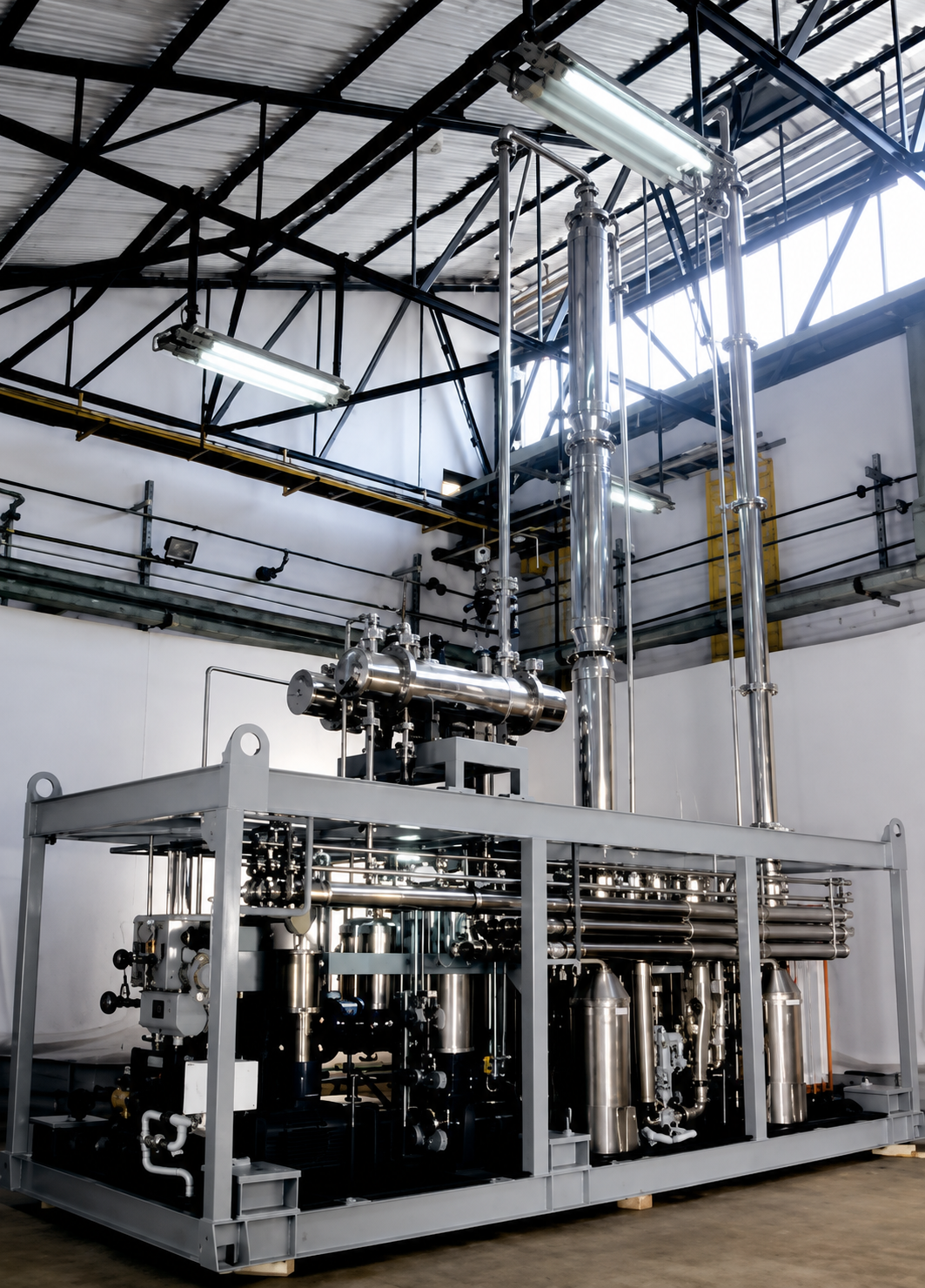
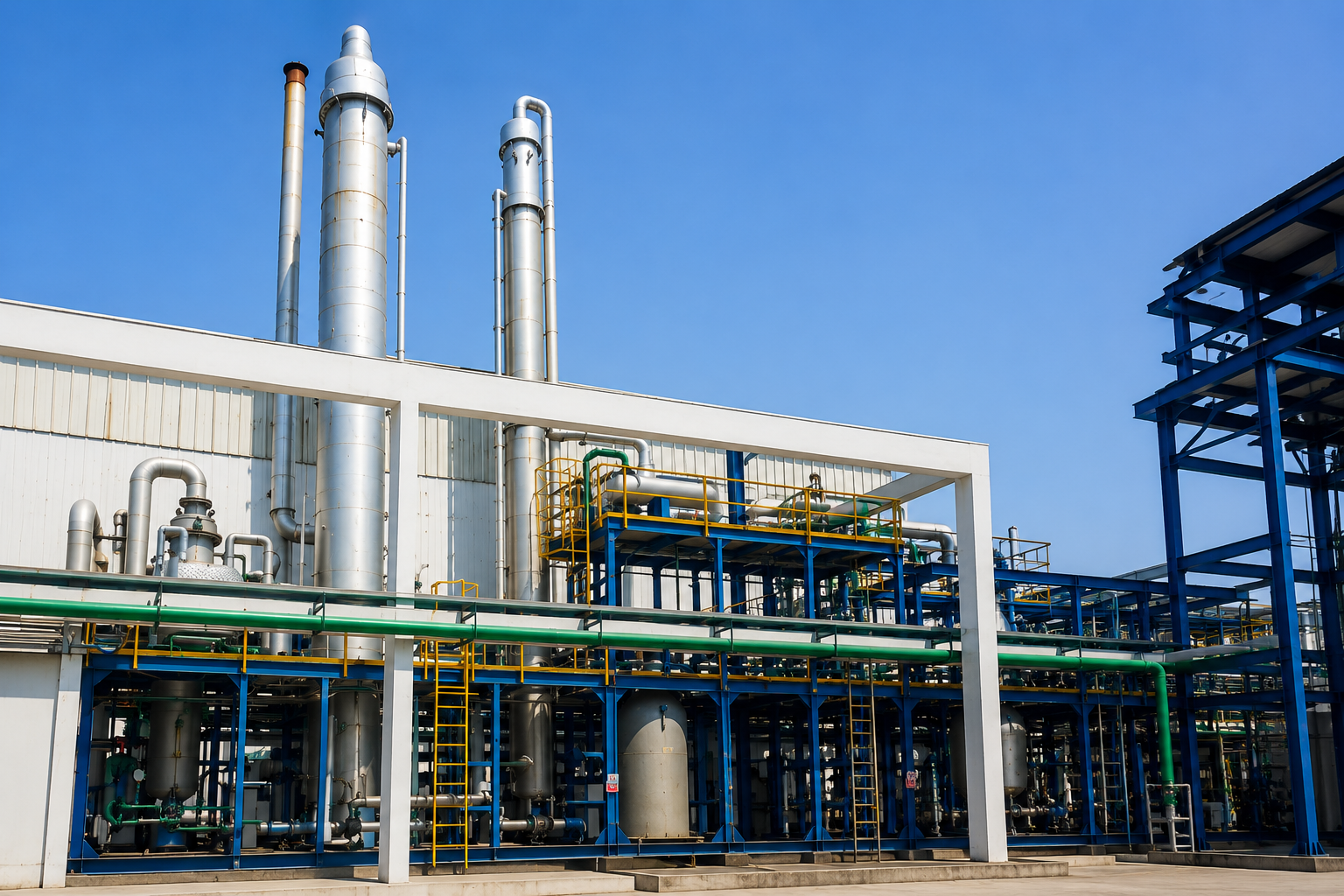
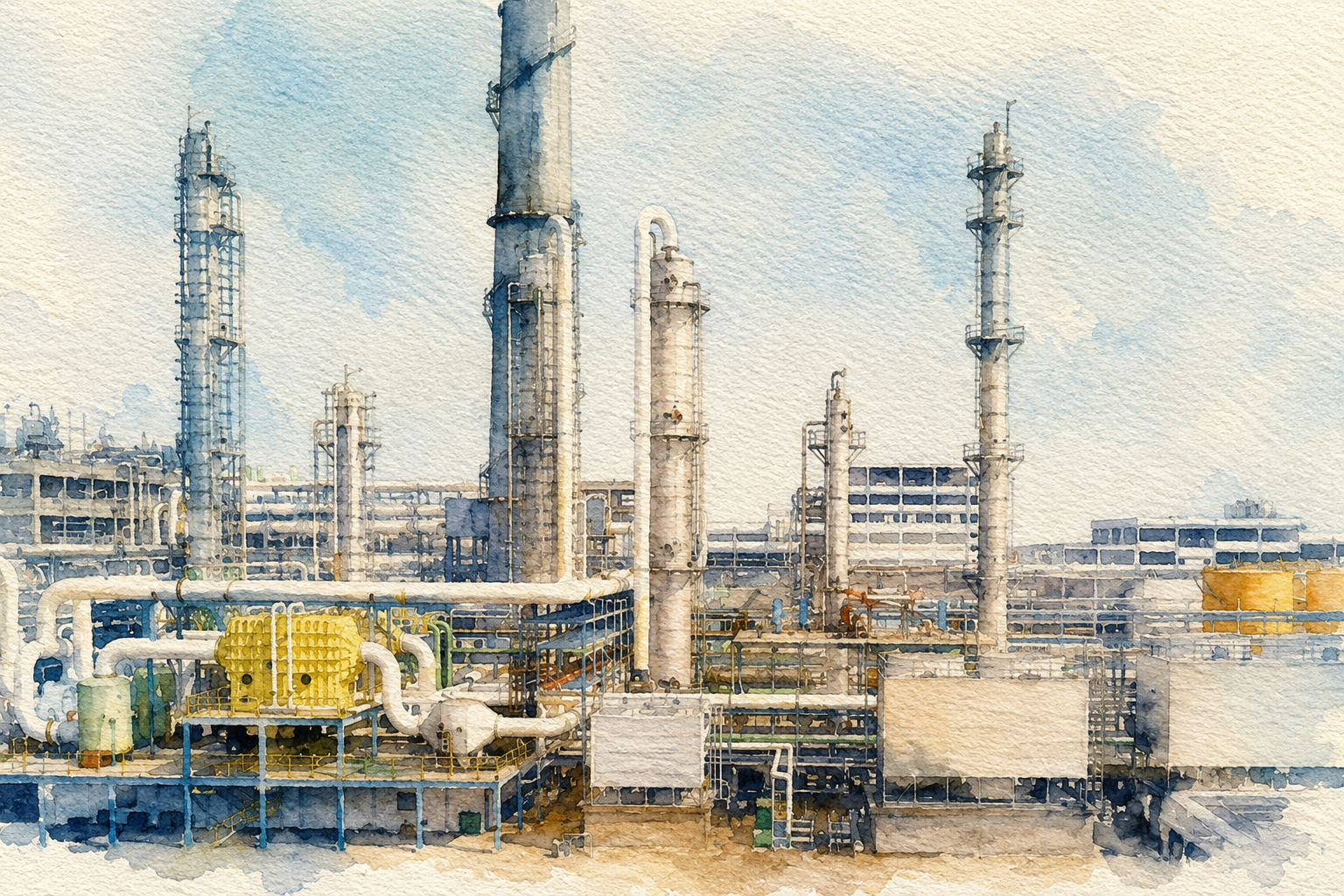
    Large-scale chemical plant

    Large-scale chemical plant

    Skid-mounted recovery unit

    Skid-mounted recovery unit

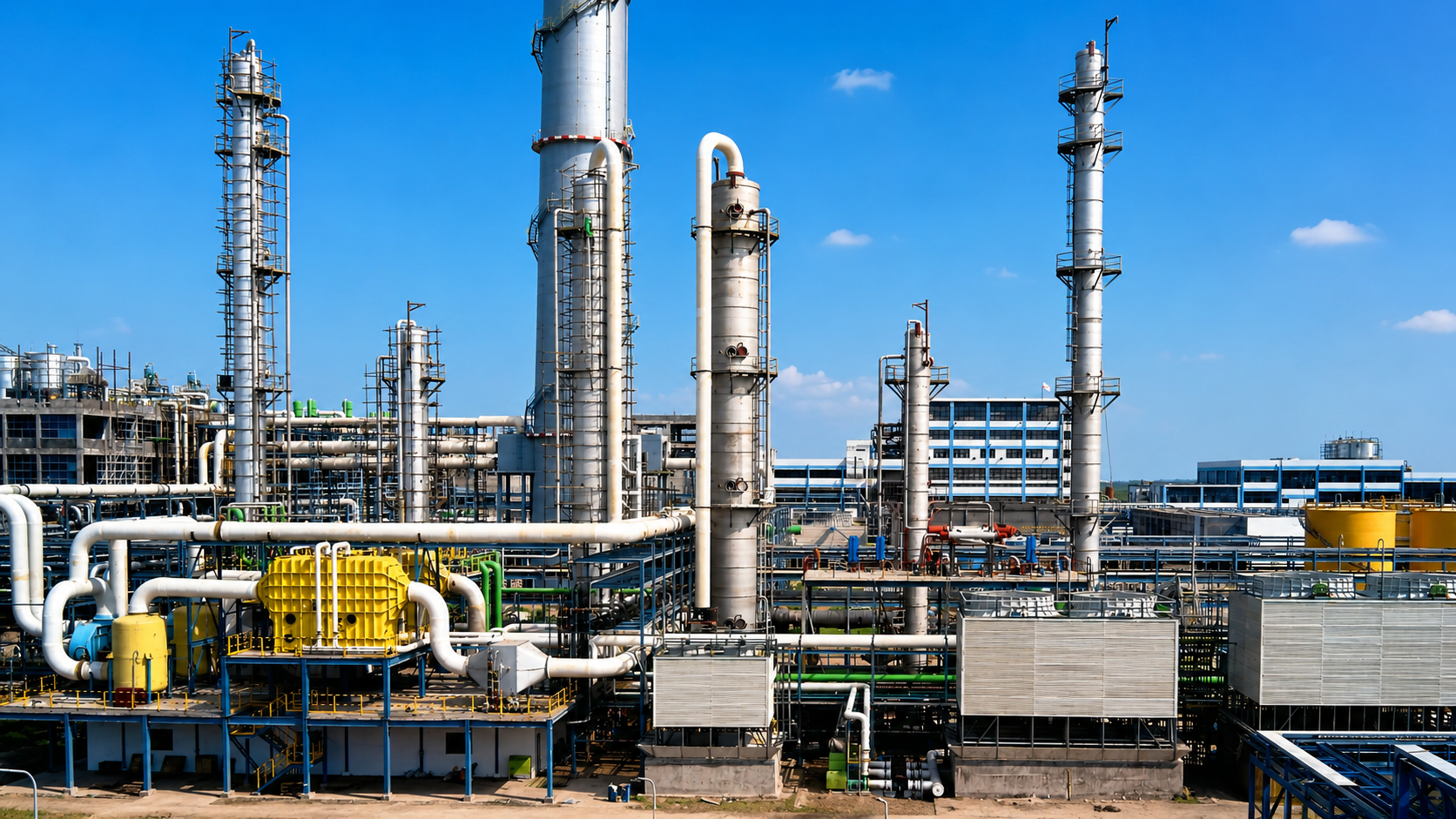
    Industrial absorption facility

    Industrial absorption facility

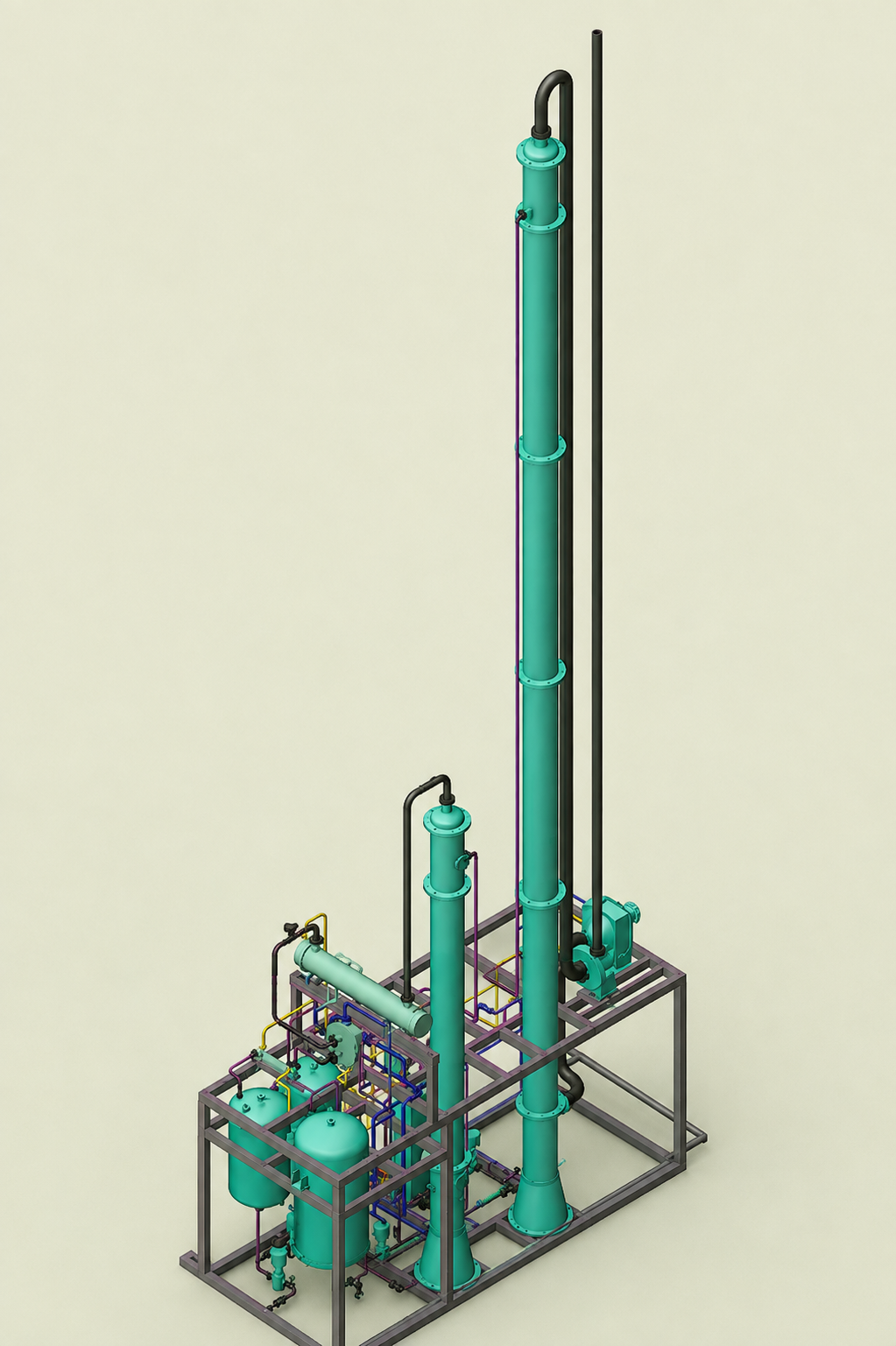
    3-D process model

    3-D process model

    Lower greenhouse gases

    Recovery avoids the combustion CO₂ that destruction technologies generate. Documented net reduction: ~1.315 kg CO₂-equivalent per kg of VOC recovered.

    Resource conservation

    Solvent that would otherwise be lost to atmosphere is captured and returned to productive use rather than purchased as fresh raw material.

    Circular manufacturing

    Recovered solvent goes directly back into the same process it came from, closing the loop rather than creating a one-way waste stream.

    Reduced waste

    Applies equally to VOC-laden effluent water — COD loads cut by over 99% through stripping and recovery, from ~200,000 to under 1,000 in pilot runs.

    ESG performance

    Measurable emissions reductions and resource-efficiency gains translate directly into environmental, social, and governance reporting metrics.

    06 · How the Process Works

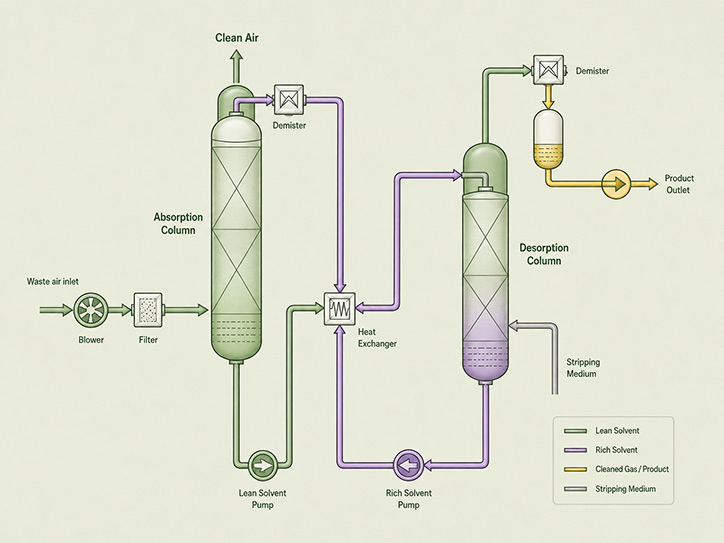
    01

    Gas enters absorber

    VOC-laden process gas is fed into the absorption column at ambient or below-ambient temperature.

    02

    Genosorb absorbs VOCs

    The liquid absorbent contacts the gas and dissolves the VOC out of it, driven by Genosorb's high affinity for the target compound(s).

    03

    Clean gas exits

    Treated gas — now within emission-compliant VOC levels and incidentally dehydrated — is released or sent onward.

    04

    Rich solvent regenerated

    The VOC-loaded absorbent is pumped to a stripper column and heated, driving the VOC back out of solution.

    05

    Solvent condensed

    The now-concentrated VOC vapour leaving the stripper is easily condensed into recoverable liquid product.

    06

    Genosorb recycled

    The lean, regenerated absorbent is cooled and returned to the absorber, with heat exchanged between rich and lean streams and pressure energy recovered via turbine pumps.

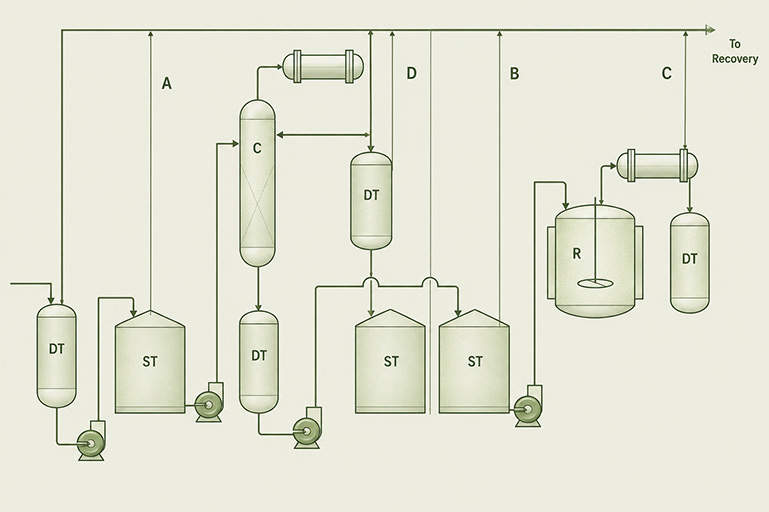
    General flow sheet for Genosorb VOC recovery system

    Energy conservation

    Heat is exchanged between the VOC-rich stream heading to the stripper and the lean stream returning to the absorber, cutting the net energy purchased. Pressure energy between the two columns can be recovered with turbine pumps.

    07 · Engineering Design

    Every Genosorb installation is engineered around six interlocking variables — not a one-size-fits-all skid.

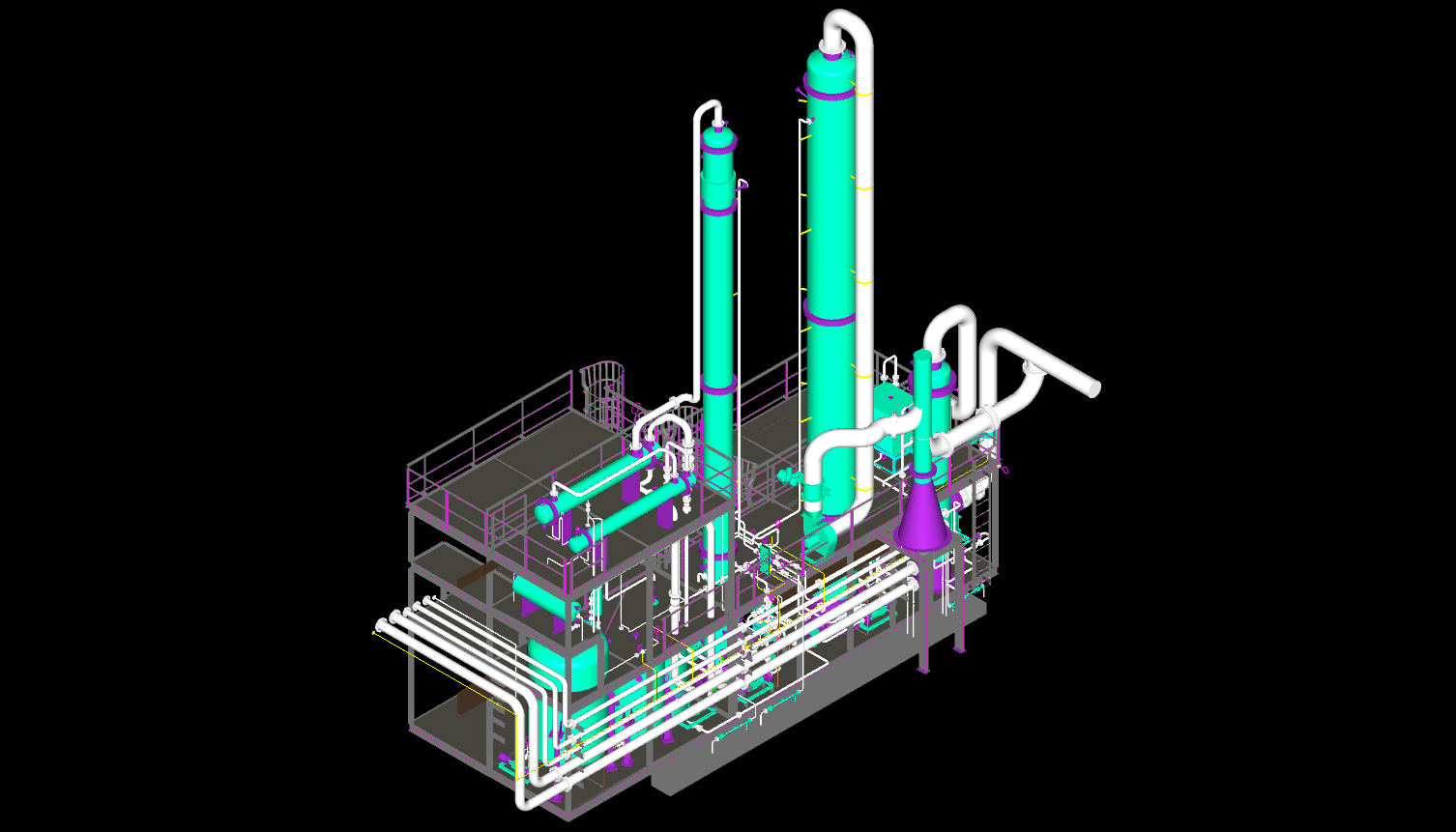
    Plant 3-D render — NE isometric view

    NE Isometric · 3-D Plant Model

    01

    Solvent selection

    Matching the Genosorb grade or blend to the specific VOC mixture, since affinity varies by compound class.

    02

    Temperature

    Absorber and stripper each run at temperatures chosen to maximise absorption on one side and clean regeneration on the other.

    03

    Pressure

    Absorption and stripping can run at different pressures as well as temperatures — sometimes both — to optimise separation.

    04

    VOC concentration

    Inlet concentration drives sizing decisions; very low concentrations at high volume call for a rotary-concentrator pre-stage.

    05

    Heat integration

    Exchanging heat between the VOC-rich stream heading to the stripper and the lean stream returning cuts net energy purchased.

    06

    Energy recovery

    Pressure energy between the two columns can be recovered with turbine pumps, further lowering operating cost.

    08 · Multiple Process Integration

    One system, many sources

    Multiple pieces of process equipment — batch reactors, dryers, printing stations, coating lines — can be manifolded into one centralised recovery system.

    Lower capital cost

    One recovery train serving several sources costs less than duplicating equipment at each point of emission.

    Centralised recovery

    Solvent from multiple process steps is captured and regenerated in one place rather than scattered across the plant.

    Automatic operation

    The combined system runs on automation rather than requiring manual intervention at each source.

    Simplified maintenance

    One system to maintain instead of several smaller, dispersed ones.

    Plant-wide emission control

    Demonstrated to maintain compliance even as individual feed flows and concentrations vary significantly across connected sources.

    Connecting multiple process sources to one recovery unit

    50+ sites studied

    More than 50 industrial sites studied across India, with VOCs encountered individually or in mixtures of up to six components.

    09 · Industries Served

    ChemicalsPharmaceuticalsFlexible PackagingPaintAutomotivePetrochemicalsPrintingSemiconductorsAdhesivesBattery ManufacturingSpecialty ChemicalsAgri-processingCoatingsInk ManufacturingTextiles

    VOCs encountered in Indian industries

    EthanolEthyl acetateHexaneCarbon disulphideStyreneMIBK
    HexaneMethyl acetateBenzeneSulphur dioxideAcrylonitrileEthyl cellosolve
    BenzeneButyl acetateTolueneIsobutanolDioxolaneMethyl iodide
    TolueneAcetoneXylenesEthylene dichlorideEthaneVCM
    XylenesMEKn-ButanolGasoline (MS)—Methylene dichloride

    Organic VOCs recoverable with Genosorb

    AcetoneDioxalaneDioxaneMIBKCyclohexaneGasolineHexaneHeptaneMineral spiritsAcrylic acidEthyl acetateIsopropyl acetatePetroleum solventsTetrahydrofuranMEKBenzeneTolueneXyleneMethanolEthanolIsopropanolVinyl acetaten-ButanolIso Butyl BenzeneDiethyl etherCarbon disulphideAcetonitrileEthyl CellosolveHydrogen sulphideAcetic acidIsobutyleneDimethyl sulphideAcrylonitrile (ACN)Acetaldehyde

    Halogenated compounds

    ChlorethyleneMethyl chloroformMethylene DichlorideEthylene dichlorideMonochlorobenzeneCarbon tetrachlorideVCMMethyl IodideChlorofluorocarbons

    10 · Beyond VOC Recovery

    Genosorb's absorption chemistry extends past organic solvent capture into a range of gas-treatment applications.

    01

    Biogas upgrading

    Removes CO₂, H₂S, COS, and mercaptans from raw biogas, producing purified biomethane. Operates at ~7 bar, methane loss <3%, Genosorb loss ~2%/yr.

    02

    H₂S removal

    From syngas and IGCC plant feeds — recoverable as elemental sulphur via a low-energy ferrous EDTA process established since 1987.

    03

    CO₂ removal

    From mixed low-molecular-weight hydrocarbon streams such as natural gas and raw biogas.

    04

    Natural gas sweetening

    Selective absorption of acid gases from natural gas, the same approach applied to biogas.

    05

    Syngas purification

    H₂S and sulphur-compound removal integrated into synthesis-gas production loops at large plants.

    06

    Sulphur recovery

    H₂S captured and converted to elemental sulphur rather than simply scrubbed and disposed of.

    07

    Gas dehydration

    A built-in side benefit of Genosorb's strong water affinity, delivered simultaneously with VOC or acid-gas removal.

    Effluent water — COD reduction

    Effluent waters generated from many synthetic organic chemical production processes have high COD content. The COD content is mainly due to high concentrations of solvents in the effluent stream.

    The solvents are stripped with air giving a low-concentration VOC stream, that is fed to a Genosorb plant or rotary concentrator and the solvents recovered. The gases coming from the concentrator can also be incinerated at a low cost. High air volumes are needed for efficient stripping.

    Efficient recovery is possible using a rotary concentrator followed by a Genosorb plant.

    Pilot solvents tested

    7

    different solvents

    COD reduction

    200,000 → <1,000

    >99.5% reduction

    11 · Rotary Concentrator — Low Concentration, High Volume

    Making dilute streams economic

    It frequently happens that the concentration of VOC is very low and the volume is high — such as in flexible packaging, gravure printing, paint booths, battery and semiconductor manufacturing. Volumes may range from 10,000 m³/hr to 200,000 m³/hr with concentrations of only a few hundred to a few thousand ppm. The equipment shown in Fig. 1 becomes extremely large and the process uneconomic. Recourse is made to a device called a rotary concentrator to increase the concentration to a viable level.

    The main equipment is a large, very slowly rotating wheel with a honeycomb structure filled with zeolite or activated carbon. The VOC-laden gas passes through the cooled face of the rotor where VOC is adsorbed and clean air exits to the chimney. A small portion (3–10%) of the air is heated and passed back through the rotor as the desorbing fluid — it emerges with a high concentration of VOC and is then cooled before going to the Genosorb recovery system. The concentration increase can be as high as 30×, limited to about 50–60% of the LEL for safety. A 100,000 Nm³/hr flow is thus reduced to 5,000–7,000 Nm³/hr at the Genosorb plant inlet, cutting equipment cost by 75–85% as well as operating cost — as shown in the table below.

    3

    Figure 3

    Rotary concentrator schematic

    Image to be supplied

    Economics: with vs without concentrator

    ParameterWithoutWith concentratorSaving
    Steam demand1,250 kg/hr180 kg/hr↓ 86%
    Cooling water200 m³/hr35 m³/hr↓ 83%
    Refrigeration load200 TR60 TR↓ 70%
    Genosorb make-up80 g/hr20 g/hr↓ 75%

    12 · Case Studies

    01

    Methanol Recovery

    27 emission points · 200–700 Nm³/hr · 90% recovery

    Attached to a batch organic synthesis plant. Recovered product runs 90–92% methanol purity and is recycled without distillation, at an operating cost of a few rupees per kilogram.

    02

    Acrylonitrile Recovery

    >99% recovery · 950–1,100 t/yr recovered

    A process plant consuming and recycling hundreds of tonnes per day. The system achieved over 99% recovery across multiple equipment emission points.

    03

    Hexane Recovery

    100 Nm³/hr · outdoor installation

    Acidic hexane emissions from a phase-transfer reactor. Installed as an outdoor unit mounted on the first floor — compact footprint on a working plant.

    04

    Carbon Disulphide (CS₂)

    20,000–45,000 Nm³/hr · 90% recovery · 500× scale-up

    Proven first on a pilot plant, then scaled up 500× to commercial capacity. CS₂ at 5–15 g/Nm³ alongside 2–5 g/Nm³ H₂S; CS₂ and H₂S recovered separately.

    05

    Methylene Dichloride (MDC)

    950 kg/hr · 99% recovery · skid-mounted

    Plant skid-assembled and shipped to site for installation outside the process plant. Achieved 99% recovery of the full stream.

    06

    Gravure Printing

    100,000+ Nm³/hr · mixed solvent blend

    High-speed operation with a shifting mix: ethyl acetate, ethanol, n-propyl acetate, MEK, toluene, isopropanol. Recovered mixed solvent dehydrated and re-blended to original formulation.

    07

    Flexible Packaging

    Laminating machines · single and mixed solvents

    Laminating-machine-scale installations recovering single or mixed solvents from high-speed packaging lines. See Section 10 economic data for detailed figures.

    08

    Paint Shops

    Automotive · household · appliance paint lines

    Rotary concentrator paired with Genosorb absorption. Recovered solvents reused in paint formulation, as diluent, or as cleaners — an alternative to the incineration route common in Europe.

    09

    COD Reduction

    7 solvents · COD reduced from 200,000 to <1,000

    Effluent water carrying high chemical-oxygen-demand loads was treated by stripping the solvent with air, then recovering it through a rotary concentrator and Genosorb plant.

    13 · Why CCDC

    Indian engineering

    Every system is designed, engineered, and fabricated in India, backed by 45 years of process engineering experience.

    Skid-mounted systems

    Plants are shipped fully skid-mounted and erected outdoors — no covered shed required, minimising civil construction cost.

    Automated operation

    Fully instrumented for automatic operation, minimising manual intervention and providing continuous monitoring.

    Pilot demonstrations

    A trailer-mounted mobile pilot plant, designed by CCDC and operated with Clariant, has run numerous on-site demonstrations including mixtures of up to six solvents.

    Commercial scale-up

    Technology proven at pilot scale has been scaled up as much as 500× into full commercial plants across a wide range of industries.

    Custom engineering

    Solvent selection, temperature, pressure, and heat integration are engineered around each specific stream — not sold as an off-the-shelf fit.

    CCDC
    Commercial, Chemical And Development Company

    41/42/3 1st Main Road West, Shenoy Nagar
    Chennai – 600030, India
    +91 98401 42990 · voc@ccdcindia.com

    Technology partnership

    Developed in-house with technical input from Clariant A.G., Germany. Pilot plant designed by CCDC and constructed and operated by Clariant — with demonstrations including recovery from mixtures of up to six solvents simultaneously.

    Frequently asked questions

    What is Genosorb® VOC recovery?

    It is a physical absorption process. VOC-laden gas passes through an absorber where a liquid Genosorb® absorbent dissolves the solvent out of the gas. The loaded absorbent is then heated in a stripper, the released VOC is condensed as a recoverable liquid, and the regenerated absorbent is cooled and recycled to the absorber.

    Which solvents can be recovered?

    Both polar and non-polar solvents, including acetone, MEK, MIBK, methanol, ethanol, isopropanol, ethyl acetate, butyl acetate, toluene, xylene, hexane, heptane, tetrahydrofuran, methylene chloride, acrylonitrile, styrene and carbon disulphide. Genosorb 300 is used for polar solvents and Genosorb 1843 for non-polar, aromatic and chlorinated solvents.

    What recovery efficiency can be achieved?

    Genosorb systems are designed for 95–99.9% recovery. CCDC installations have achieved over 99% recovery on acrylonitrile and methylene dichloride streams, and around 90% on multi-point methanol and carbon disulphide streams.

    How is VOC recovery different from thermal oxidation?

    Thermal and catalytic oxidisers destroy the solvent, need supplemental fuel such as natural gas or LPG, and add CO₂ emissions. Genosorb recovers the solvent so it can be returned to production, turning an emission-control cost into a material saving.

    Can low-concentration, high-volume streams be treated economically?

    Yes. For streams of 10,000–200,000 m³/hr at only a few hundred to a few thousand ppm, a rotary concentrator is added ahead of the Genosorb unit. It raises concentration by up to 30×, so a 100,000 Nm³/hr flow reaches the recovery plant as 5,000–7,000 Nm³/hr, cutting equipment cost by 75–85%.

    Which industries use Genosorb VOC recovery?

    Chemicals, specialty chemicals, pharmaceuticals, petrochemicals, flexible packaging, gravure printing, paints, coatings, inks, adhesives, automotive, textiles, battery manufacturing and semiconductors.

    What gas flows has CCDC designed for?

    Reference installations range from a compact 100 Nm³/hr hexane recovery unit to gravure-printing streams above 100,000 Nm³/hr, including a carbon disulphide system scaled up 500× from pilot to 20,000–45,000 Nm³/hr.

    How do I get started?

    Request a feasibility study. Share the solvent(s), gas flow, VOC concentration and operating conditions, and CCDC will prepare a preliminary recovery evaluation. Contact voc@ccdcindia.com or +91 98401 42990.

    14 · Request a Feasibility Study

    Ready to recover more than emissions? Tell us about your stream — or, if you don't have that data yet, ask us to come measure it for you.

    Option A

    Request a Feasibility Study

    Tell us about your VOC stream — components, concentration, flow rate — and we'll return a technology recommendation with a rough cost range.

    Start →

    Option B

    Don't know your vent losses?

    Not a problem — we can measure it for you. We visit your plant, measure VOC emissions from each vent, and give you a kg/day figure with a rupee-value loss estimate.

    Book a site visit →